81 Tagore Lane, TAG A, #01-11 Singapore 787502 ♦ Reservation : +65 6727 5599
Confinement Diet Tips to Help You Lose Weight
Before we begin, let us just say that no mother does not gain weight when pregnant. It is not advisable for any mother to intentionally lose weight during pregnancy.
Regardless, we can’t help but have the slightest fear regarding our potentially changing figure after giving birth. Even though your newborn’s and your health should matter most, know that having such thoughts and worries is entirely normal. Of course, this is extremely common, too and many mothers would turn to fitness trainers and nutritionists for help soon after childbirth. However, one must note that weight loss should only be considered after 3 months postpartum or after obtaining the green light from your doctor.
So, how to lose weight during confinement healthily? Reviewing your diet and lifestyle habits is one crucial aspect that can shed pounds gradually and sustainably.
The best confinement diet postpartum moms are generally recommended to follow is the well-balanced one that takes into account practical and sustainable healthy lifestyle practices instead of jumping on a fad diet for the fastest weight loss results only to bounce back again as fast after and with a higher risk of being malnourished too.
Healthy Plate
The foundation of a healthy diet is a diet that is based on the healthy plate concept where half the plate is filled with vegetables, a quarter of the plate is filled with a choice of staple, preferably wholegrain and another quarter of the plate is filled with a choice of protein preferably lean cuts. This concept, when followed regularly, minimises the chance of being malnourished or affecting the quality of your breast milk.
Healthier Cooking Methods
Foods that are steamed, lightly pan-fried, baked or braised are generally lower in calories compared to foods that are deep fried. This is due to the oil used to cook the food. It’s okay to have them occasionally, especially during social gatherings. The key is frequency!
Increase Fibre
Fibre is exceptionally great in treating constipation and providing bulk which aids in satiety. It aids digestion and supports gut health which is an important aspect you need to take care of, especially after giving birth. You want to keep constipation as far from your life as possible, as your pelvic muscles and perineal wounds need time to heal.
Incorporating whole grains into your staple is a great way to sneak in more fibre which will help to provide more bulk to your meals. Another good practice is to have half your plate to be filled with a combination of two different vegetables during meal times! Not only does it provide variety and colour, but it also carries different nutrients and antioxidants, which are beneficial for health too.
Cut Back on Sugar
Nowadays, there is sugar in almost everything. Sugar is alright, but you can make better choices regarding where to get your sugar. Opt for fruits instead of going for fruit juices. Contrary to popular belief, fruit juice promotes the excessive intake of sugar and calories without fibre and bulk, which is important for satiety. For context, 2 to 3 oranges are needed to make 1 cup of orange juice which can be easily consumed with a meal in one setting. However, it is very unlikely for us to eat more than 1 orange right after a meal in one setting due to the bulk of a whole fruit it provides. Thus, minimising excessive intake while still keeping mothers adequately nourished and satiated.
Stay Hydrated
Besides paying attention to what you eat; your body might be easily dehydrated because of nursing, so remember to drink a lot of water to replenish your fluids. When you feel like snacking, drink a glass of water before grabbing a snack.
Sometimes when you think you are hungry, you might be just thirsty. Choose healthy bites such as fruits and natural yoghurt if you need to snack. Chinese confinement food has balanced portions and ingredients to help you achieve your ideal weight.
Breastfeed & Eat Lactation-Boosting Foods
Did you know nursing your baby can burn up to 500 calories at a time? That’s right! Your body works hard to produce and ensure a smooth milk flow to your child.
This process, however, should be accompanied by a proper diet and hydration so that you won’t lose essential nutrients along with the weight. A recommended weight loss diet while breastfeeding would be well-balanced with various whole foods, including whole grains and complex carbs, leafy greens, lean meat, fruits, and dairy.
To ensure you can breastfeed smoothly, you can try adding more breastfeeding-friendly ingredients that may be supportive as you breastfeed.
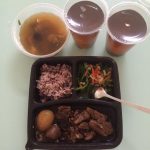
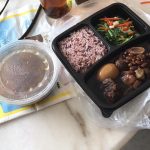
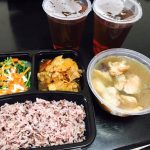
Lose weight while breastfeeding meal plan is meals that provide, first and foremost, a balanced diet. To make it easy, you can just go through our menu! We provide various lactogenic ingredients in our dishes to help ease a mother’s lactation journey. Finding the right postnatal loss weight while breastfeeding meal plan confinement food does not have to be complicated.
You simply have to figure out which nutrient source groups they belong to and decide which one you want to have more in your meals.
Progressive Exercise
If your schedule allows it, you can incorporate different exercises. Start exercising moderately and without straining your body. A walk around your neighbourhood is a great start. With time, you can graduate to brisk walking and short runs, which may be more intense and place more pressure on the pelvic muscles.
Do not start an intensive workout before your doctor gives the green light or if you are not psychologically prepared. Step and skipping rope are other forms of exercise you can try at home once you get the green light. Beyond losing weight, keeping an active lifestyle will help to support mental health. It is very rewarding to see how your body recovers and moves again like how it used to before pregnancy. Long-term results can only come from practical, sustainable and progressive steps towards a healthy lifestyle. Thus, choosing something you enjoy doing as an exercise is very important.
Adequate Sleep
Arguably, the number one enemy of weight loss for new mothers is the lack of sleep. Mothers must stay up at night to cater to their babies’ needs, like nursing and changing diapers. Tag team with your husband for night shifts would be very helpful, or hire a nanny to take care of the baby during the day so you can get enough sleep.
If you have difficulty sleeping at night, spare the time and catch some sleep during the day. Work with a confinement food catering company to help prep your food. That will give you adequate time to rest.
Sleep deprivation will activate all your stress hormones. The hormone ‘ghrelin’ that causes you to feel hungry will spike, while the ‘leptin’ hormone responsible for feeling full will plummet. Adequate sleep helps to regulate these hormones, and they will support your weight loss journey.
Dieting Limitations
In your effort to lose weight, you may be tempted to diet and skip meals. That’s not a wise option for a mother who is still breastfeeding. Besides, dieting will make you crave more food when hunger pangs strike or your sugar levels dip. Eating small portions throughout the day is a terrific way of staying satiated and supplying your body with the needed nutrients without encouraging excessive intake.
Q&A Weight Loss After Birth: At What (& Whose) Cost?
How Should Your Diet Be Like After Birth?
You are highly advised to focus on eating and following a nutritious, healthy, balanced and varied diet. There is almost no restriction in terms of weight loss except to limit your consumption of sugary or fast food.
If you keep to a healthy diet and appropriate food portions, breastfeeding will help reduce your excess postpartum weight naturally. When breastfeeding, your body stores are used up over several months to produce breast milk for the baby.
To put it simply, your diet at this point should only be for healing and recovering from birth.
Can Your Diet Affect Your Baby?
Technically, yes, it can. Since your milk is possibly the only source of nutrients for your baby at this point, the change in your diet can significantly affect your milk – so you can do the maths from here.
A mother’s diet and her breast milk are very closely intertwined. Certain micronutrient content in breast milk are dependent on a mother’s diet. Thus, a balanced diet is the main emphasis even when it comes to weight loss in order to minimise chances of inadequate intake of these nutrients. The goal is to reduce overall caloric intake without reducing nourishment to the mother as she loses weight. Studies have shown that if you put yourself on a weight loss diet drastically, it can potentially decrease your milk supply.
We have briefly discussed how a mother’s diet can affect her milk here, so do read it if you’d like to know about it in detail.
Should You Try to Lose Weight Right After Birth?
We believe the answer is clear now – you probably shouldn’t.
The long answer is that since your body has just lost a lot of blood (approximately 500 ml after the birth of a single baby) and with it a lot of energy, the postpartum stage is when you should replenish and nourish your body. Your primary focus should be on recovering, replenishing stores, and improving milk production and overall lactation.
Therefore, if the diet you adopt to lose weight will compromise any of these elements, it is best to postpone that plan until you have fully recovered.
Regardless, remember that your current weight is fine. We tend to let ourselves be defined and scrutinised by society’s standards that are often inhuman and unnecessary to achieve. If we do not fit the image of a beautiful woman as portrayed by society, we are not beautiful — this is not true.
You can compare 500 different people with each other (not that you ever have to), and you will still be able to find beauty in all of them because there are endless ways to look and be beautiful.
Hence, if you are indeed planning to lose weight, make sure it is only for your health and not because of the pressure you are feeling to fit into the mould – because even if you do manage to achieve it, there will always be another new mould you’d need to change yourself to fit into. It is simply not worth putting such pressure on yourself.
Set in your mind that it is because you love your body that you want to be healthier and not that you want to lose weight so that you can love your body. Your body has done and endured a lot for you and your child, so the best you can do now is to love and nurture it as lovingly as possible.
The best thing about all this is that a considerable percentage of that extra weight will go away on its own. So don’t be too harsh on yourself and let nature takes its course.
Whatever you wish to do from here on, we want you the best! Stay healthy, stay happy.