81 Tagore Lane, TAG A, #01-11 Singapore 787502 ♦ Reservation : +65 6727 5599
Temporary & Permanent Body Changes After Childbirth

After undergoing pregnancy and the process of childbirth—whether from natural birth or going through a c-section—you can expect to see a few temporary and permanent changes to your body. From weight gain to a larger shoe size and stretch marks, some are more obvious than others. This is an inevitable phase yet a beautiful reminder that you’ve successfully bear and give birth to a new life. In order to gradually recover from your postpartum stage, you would have to learn to cope and care for your body. We are going to share what changes you can expect after birth and what you can do to facilitate a speedy recovery.
Body After Baby
First and the most noticeable changes would be your belly before and after childbirth. It is common to see a postpartum “pouch” which is the excess flab of your belly. It may remain there for a while but you should see your belly go back to normal once the uterus reverts back to its pre-pregnancy size. Stretch marks are also common and will be visible on the belly, bottom, thighs, and breasts after bearing a child. These marks often fade away over a period of months to one or two years after you give birth. However, they do not ever fully disappear. If you have undergone a C-section, a visible scar beneath your belly will be visible. Like stretch marks, it never fully disappears but it is important to treat it early to reduce visibility of the scar.
Breasts After Baby
Changes to a woman’s breasts occur during and after pregnancy and it affects each individual differently. A third of women develop smaller breasts, another third have larger (meaning fat accumulation remains) and the last third may see no changes after baby. Regardless of whether you are breastfeeding or not, many women will start to see sagging of their breast as loss of fat under the skin causes a sagging or drooping of the breast tissue in some.
Vaginal Changes After Baby
It is crazy to think that a human just came out of you! Due to that, your vagina might look wider. You may feel it looser, softer and more ‘open’ and sometimes may feel swollen or bruised. Fret not as this is normal and the swelling and openness should start to reduce a few days after your baby’s born. During this period there may be postpartum incontinence. Postpartum urinary incontinence is the involuntary leaking of urine that new moms often experience, usually while laughing, sneezing, coughing, or performing any strenuous activity.
It is actually a very common occurrence after giving birth and experts say that it could happen as a result of damage to the muscles and structures that support the bladder during pregnancy. The good news is, postpartum incontinence usually goes away within a few weeks of giving birth.
Mood After Baby
Postpartum baby blues is a period when most new moms experience mood swings, sadness, anxiety, stress and difficulty sleeping. It begins a few days after delivery. Don’t be alarmed it is something almost every mother will experience after giving birth. It is temporary and is nothing to be ashamed about. Always give some time for yourself to do things you enjoy. You can also try talking to your spouse or family and friends for some encouragement.
Loving Your Body After Baby
Generally, it takes around 6 weeks for your body to recover from major postpartum body changes. To support your recovery during this stage, here are some tips you can try!
Exercise. Regular exercise can help benefit your body in many ways like :
- Promote weight loss, particularly when combined with reduced calorie intake
- Strengthen and tone abdominal muscles
- Reduce stretch marks
- Boost your energy level
- Relieve stress
- Promote better sleep
- Reduce symptoms of postpartum depression
But, start with less vigorous exercises such as Kegel and pelvic exercises or yoga daily. It is also important to get your doctor’s advice on when you should start exercising (especially if you had a c-section) and only when you feel that you are able to exercise.
Get a massage. Getting a massage can help improve blood circulation that can help accelerate the healing processes. Getting a postnatal massage is a good idea to help speed up recovery. Also, massaging your breasts can help reduce the risk of breast engorgement and swelling as well as improves your milk flow. Breastfeeding essentials like a breast massager, breast pump, nipple shield, nipple balm can really help relieve common breast discomforts. Visit MumChecked to discover the one that works best for you!
Getting enough rest. In your first few weeks after delivery it is important to have ample amounts of rest. Rest whenever you can, and try to sleep when your baby sleeps. It helps to speed up recovery and can also help your body get used to breastfeeding during this period.

Eating healthy meals. Having the right nutrition will greatly help your body recover and gives you all the energy you need to care for your baby. It also helps pass down important nutrition for your baby when breastfeeding which ensures proper development for your baby. Some of the essential nutrients you need are:
- Protein
- Calcium
- Iron
- Vitamins
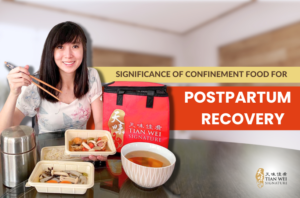
In the first month after you give birth you may be too tired to cook. You can consider getting a catering service for confinement foods to ease the burden of cooking while making sure you get enough nutrients for you and your baby.
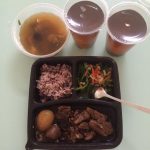
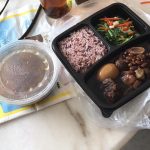
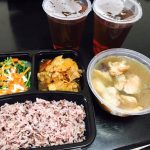
Designed to help boost the recovery process of mothers, Tian Wei Signature offers appetizing Singapore confinement meal with home delivery. Our confinement meals offer a healthy nourishing diet after childbirth, filled with essential ingredients and herbs to replenish the body.
Tian Wei offers a variety of multi-cuisine meals to keep food interesting and enjoyable with no MSG and they are breastfeeding-friendly too! Each meal comes with a red dates tea for confinement which is believed to offer warming and healing benefits to postpartum mothers. Interested to learn more? View the full menu on our website now!